Mold
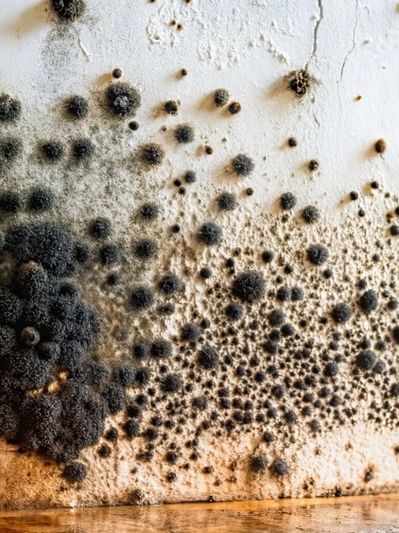
Before exploring the resources below, please note that answers to some common questions may also be found on our FAQs page. Information regarding standard service pricing, laboratory turnaround times, rush fees, and other costs is available on the Payments and Costs page.
Unlike asbestos and lead, there is currently no federal EPA standard establishing acceptable or unacceptable concentrations of airborne mold or mold spores. Mold investigations are therefore generally evaluated using a combination of visual observations, moisture conditions, building history, indoor and outdoor sampling comparisons when appropriate, species or spore-type identification, and professional interpretation of laboratory results.
1. What Causes Mold Growth in a Home?
2. How Does Professional Mold Testing Work?
3. Do I Need Mold Testing or Just a Mold Inspection?
4. What Is an Air-O-Cell Mold Sample?
5. What Is a Mold Tape-Lift Sample?
6. Air Sampling vs. Tape-Lift Sampling for Mold
7. How Are Mold Air-Sample Results Interpreted?
8. Why Is an Outdoor Mold Air Sample Collected?
9. What Does Aspergillus/Penicillium Mean on a Mold Report?
10. Does Finding Mold Mean My Home Is Unsafe?
11. Can Mold Be Present Without Being Visible?
12. What Does a Moisture Meter Tell You During a Mold Inspection?
13. How Is Infrared Imaging Used During a Mold Inspection?
14. Should I Test for Mold After a Water Leak?
15. Should I Test for Mold Before Buying a House?
16. Should Mold Be Tested After Remediation?
17. What Is Mold Clearance Testing?

The following federal and state government resources provide additional information regarding mold, moisture intrusion, indoor air quality, workplace protection, mold prevention, and remediation practices. Unlike asbestos and lead, there are currently no federal regulatory standards establishing acceptable airborne mold concentrations. McConnell Environmental Consulting provides these links as helpful references for property owners, contractors, property managers, employers, and other environmental professionals.
EPA Mold Resources
- U.S. Environmental Protection Agency (EPA) — Mold
EPA’s primary resource for information about mold, moisture control, indoor air quality, prevention, and remediation in homes, schools, multifamily properties, and commercial buildings. - EPA — Mold and Your Home
Provides guidance for homeowners and property managers on moisture control, preventing indoor mold growth, determining when mold sampling may be appropriate, and addressing conditions that contribute to mold. - EPA — Mold Cleanup
Provides information and guidance regarding general mold cleanup, water-damaged materials, flood-related mold, and safe cleanup practices.
OSHA Mold Resources
- Occupational Safety and Health Administration (OSHA) — Mold
OSHA’s primary mold resource provides information for employers, workers, building owners, and managers regarding mold hazards, workplace exposure, prevention, and cleanup. - OSHA — Mold Standards
Provides information regarding OSHA standards and requirements that may apply to mold-related workplace conditions, including general industry and construction activities.